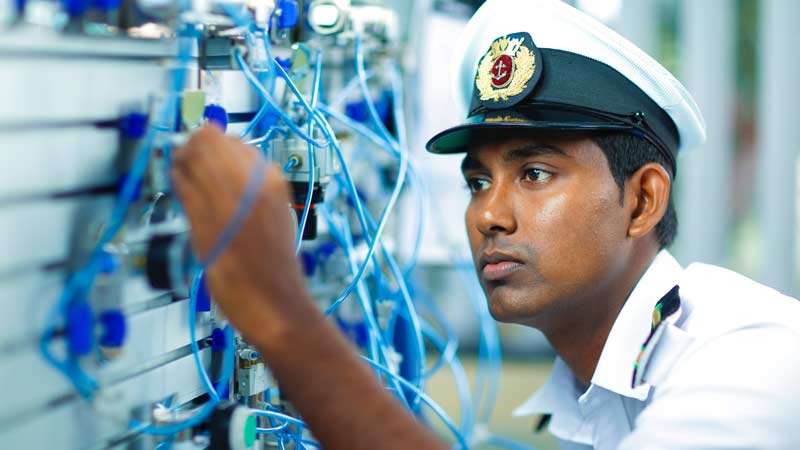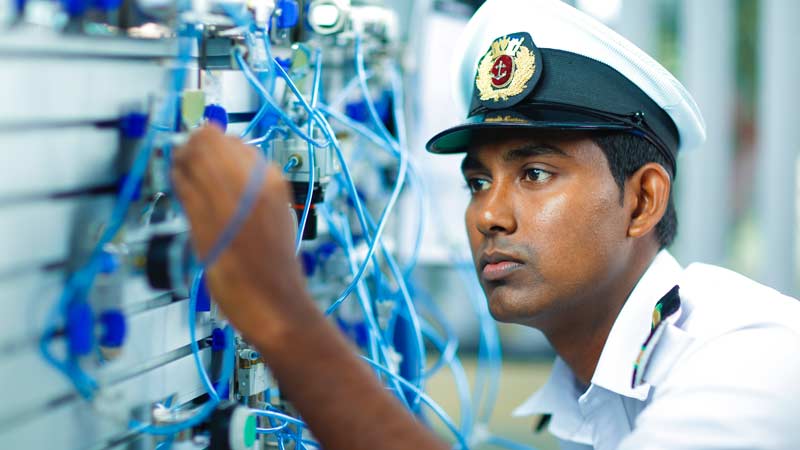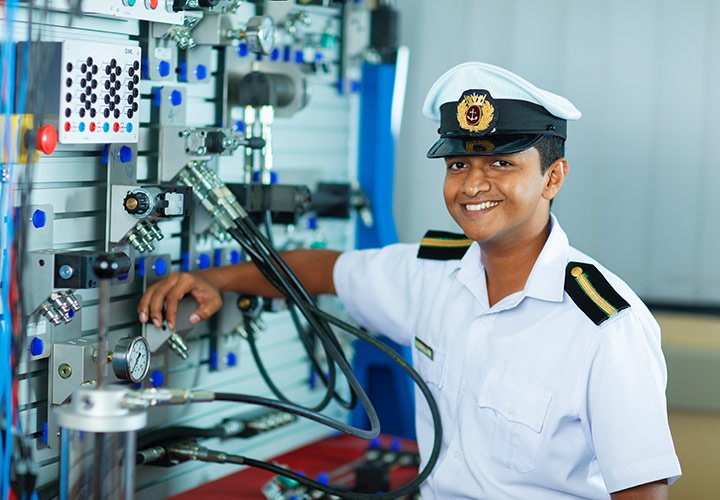
The modern maritime sector is rapidly evolving. Vessels are now complex, data-driven systems often operating on new energy sources. Graduates need traditional engineering combined with digital mastery and relational skills to align with the net-zero, digital shipyard era.
1. Systemic Troubleshooting
The simple, component-level fix is increasingly obsolete. A problem in the engine room is often rooted in a sensor malfunction, a network conflict, or a software anomaly, rather than a purely mechanical failure. Graduates require a powerful systemic troubleshooting capability: the ability to perceive the ship as a single, interdependent organism of mechanical, electrical, and digital systems. This necessitates going beyond conventional diagnostics to deeply understand signal flows, communication protocols, and the holistic impact of one subsystem’s failure on the vessel’s overall performance.
2. Predictive Maintenance Savvy
The industry is rapidly transitioning from reactive, time-based servicing to Predictive Maintenance (PdM). This relies heavily on interpreting real-time data from IoT sensors, often utilising machine learning to forecast component failure long before it occurs. A savvy graduate must not merely execute a checklist but actively interpret condition-monitoring reports, understand advanced vibration analysis, and leverage Big Data to optimise asset performance. Graduates from leading local institutions like Cinec Campus Sri Lanka are now being trained to use these tools to significantly reduce costly, unscheduled downtime while optimising operational efficiency at sea.
3. Intercultural & Crisis Communication
A vessel’s engine department is a highly multicultural environment, bringing together a mixed crew with diverse backgrounds and communication styles. Effective intercultural communication involves more than just fluency in English; it requires recognising non-verbal cues, mitigating misinterpretations, and building trust across cultures, especially during high-stress situations. For those pursuing marine engineering in Sri Lanka, where the maritime industry is intrinsically linked to major global shipping lanes, mastering this complex soft skill is crucial for team harmony, safety adherence, and successful coordination between the bridge and the engine control room.
4. Digital Twin & IIoT Literacy
The Digital Twin is redefining vessel management by creating a virtual replica of the ship, allowing onshore engineers to test software updates, simulate component wear, and predict the outcome of operational adjustments without risk. Future marine engineers must be digitally fluent in the Industrial Internet of Things (IIoT), grasping how data from thousands of sensors is collected, transmitted via satellite, and utilised to feed these sophisticated virtual models. Literacy in these technologies is key to efficiently supporting remote vessel operations, running simulations for crew upskilling, and enhancing overall fleet efficiency.
5. Energy Transition Acumen
Decarbonisation is the dominant force shaping modern shipping. Engineers can no longer specialise only in heavy fuel oil plants. The final essential skill is an advanced energy transition acumen, encompassing a practical knowledge of alternative fuels, such as LNG, methanol, ammonia, and hydrogen, along with battery storage and shore power systems. Graduates need to be proficient in the safety protocols, system design, and operational differences unique to these emerging technologies to ensure their fleet complies with the stringent global IMO targets for a sustainable maritime future, ultimately requiring an understanding of evolving regulatory frameworks like the Carbon Intensity Indicator (CII).