Zambia’s rivers are more than scenic backdrops; they are thriving corridors of birdlife that attract enthusiasts and casual observers alike. With hundreds of species recorded across the country’s waterways, a riverside stay offers front-row access to one of Africa’s richest birdwatching environments.
Why Rivers Attract Such Rich Birdlife
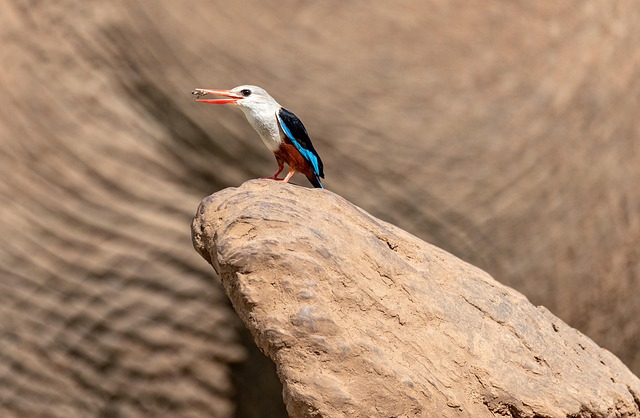
Rivers create a natural convergence of habitats, drawing species that rely on water, reeds, riverine forest and open sky. This overlap means birdwatchers can spot fish eagles soaring overhead, kingfishers darting along the banks and herons standing motionless in the shallows, often within the same short stretch of water. A stay at Anantara Tented Camp Kafue River places guests directly within this convergence of habitats.
Best Times for Spotting Birds
Early mornings and late afternoons tend to offer the most rewarding birdwatching, as many species are more active during these cooler periods. Seasonal changes also play a role, with migratory birds adding to the variety on offer at different times of year, making every visit slightly different from the last.
Exploring by Boat
A boat safari is one of the most effective ways to observe birdlife up close. Moving slowly along the water allows guests to approach nesting sites and feeding grounds without disturbing the birds, offering photographers and enthusiasts a rare opportunity for detailed observation. Choosing a well-positioned safari lodge in Zambia makes these early departures far more convenient.
A Rewarding Pursuit for All Levels
Whether guests are seasoned birders or simply curious travellers, Zambia’s riverside settings make birdwatching an accessible and rewarding activity. The combination of water, light and biodiversity ensures that every outing offers something new to discover.