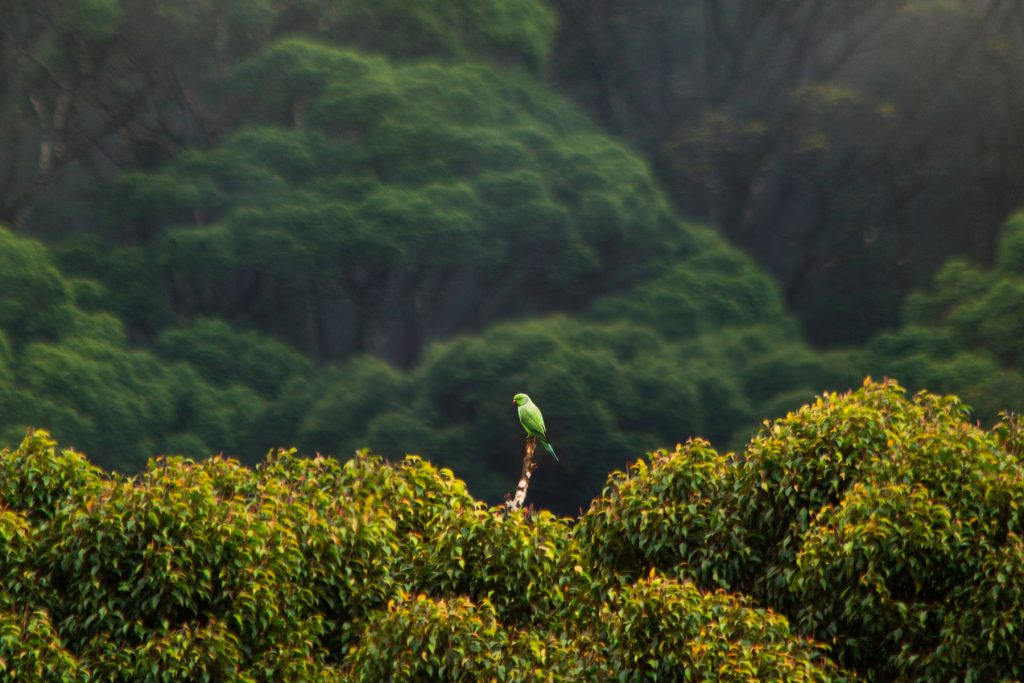
Sri Lanka is one of Asia’s great birding destinations. Despite its compact size, the island is home to a remarkable variety of resident and migratory species, including dozens found nowhere else on earth, making it a dream for birdwatchers of every level.
For travellers planning an eco-friendly birding trip, the key decision is often habitat: should you base yourself near the island’s wetlands and lagoons, or deep in its rainforests? Each offers a very different birding experience.
Overview
Wetland eco escapes are found near coastal lagoons, tanks and national parks in the dry zone, where large numbers of water birds and seasonal migrants gather. Forest eco escapes sit beside rainforests in the wet zone, where dense canopy shelters many of Sri Lanka’s endemic species.
Here is how the two compare for bird watching:
| Feature / Factor | Wetland Eco Escapes | Forest Eco Escapes |
| Typical Birds | Flamingos, pelicans, storks, herons and waders | Endemics such as the Sri Lanka Blue Magpie and Red-faced Malkoha |
| Visibility | Open landscapes; birds easy to spot and photograph | Dense canopy; birds often heard before they are seen |
| Best Season | Migratory months, roughly November to March | Year-round, with mixed-species flocks a highlight |
| Birding Style | Jeep safaris and lagoon-side viewing | Guided walks along forest trails |
| Atmosphere | Hot, open and dramatic | Cool, misty, green and immersive |
| Cost | Park entry and jeep hire add to daily costs | Guided treks often bundled into eco-lodge stays |
| Best For | Photographers and fans of large water birds | Endemic hunters and nature immersion seekers |
Accommodation
Wetland eco escapes are often simple, sustainable lodges or campsites near national parks and lagoons. They are designed for early starts, with quick access to safari jeeps and viewing points, and evenings spent reviewing the day’s sightings.
Forest eco escapes typically feature chalets or lodges built from eco-conscious materials, set right on the edge of the rainforest. Waking to birdsong and mist drifting through the trees is part of the experience, and many species can be seen from the lodge grounds alone.
Rainforest Eco Lodge is a standout forest choice. Classified as Sri Lanka’s first eco-lodge, it sits on the 500-acre Enselwatte Tea Estate bordering the Sinharaja Rainforest, a UNESCO World Heritage Site where most of the island’s endemic bird species can be observed.
Cost
Wetland birding usually involves national park entrance fees and jeep hire for each safari, which can add up over several days. Accommodation near these parks spans everything from budget guesthouses to comfortable eco-lodges.
Forest eco-lodges often bundle guided treks, nature trails and naturalist support into their packages, making daily costs more predictable. Their remote locations can mean longer transfers, but the reward is unrivalled access to endemic species.
Experiences
A birding day looks quite different in each habitat:
Wetland Birding Experiences
- Spectacular Gatherings: Watch flocks of flamingos, pelicans and painted storks feeding across shallow lagoons.
- Migratory Season: Between roughly November and March, wetlands fill with waders and ducks arriving from the north.
- Photographic Opportunities: Open landscapes and soft morning light make wetlands ideal for bird photography.
Forest Birding Experiences
- Endemic Treasures: Search for the Sri Lanka Blue Magpie, Ashy-headed Babbler and White-headed Starling with expert guides.
- Mixed-Species Flocks: Forest walks can reveal remarkable flocks moving together through the canopy.
- Total Immersion: For travellers asking which eco resorts in Sri Lanka are best for bird watching, forest lodges offer the chance to see endemics without leaving the property.
Best For
- Choose a Wetland Eco Escape if you are: A bird photographer, a first-time birder or a traveller who loves large water birds, open landscapes and the drama of migratory season.
- Choose a Forest Eco Escape if you are: A dedicated birder chasing endemic species, a nature lover seeking deep immersion or a traveller looking for a cool, peaceful rainforest retreat.
Conclusion
Neither habitat is better for every birdwatcher; each reveals a different side of Sri Lanka’s extraordinary birdlife. If you want sweeping views of large flocks and dramatic seasonal gatherings, a wetland escape will fill your memory card in no time.
However, if your goal is to see the island’s rare endemic species in their natural home, a rainforest eco-lodge offers an unforgettable and deeply rewarding experience, and many keen birders combine both on a single trip.
