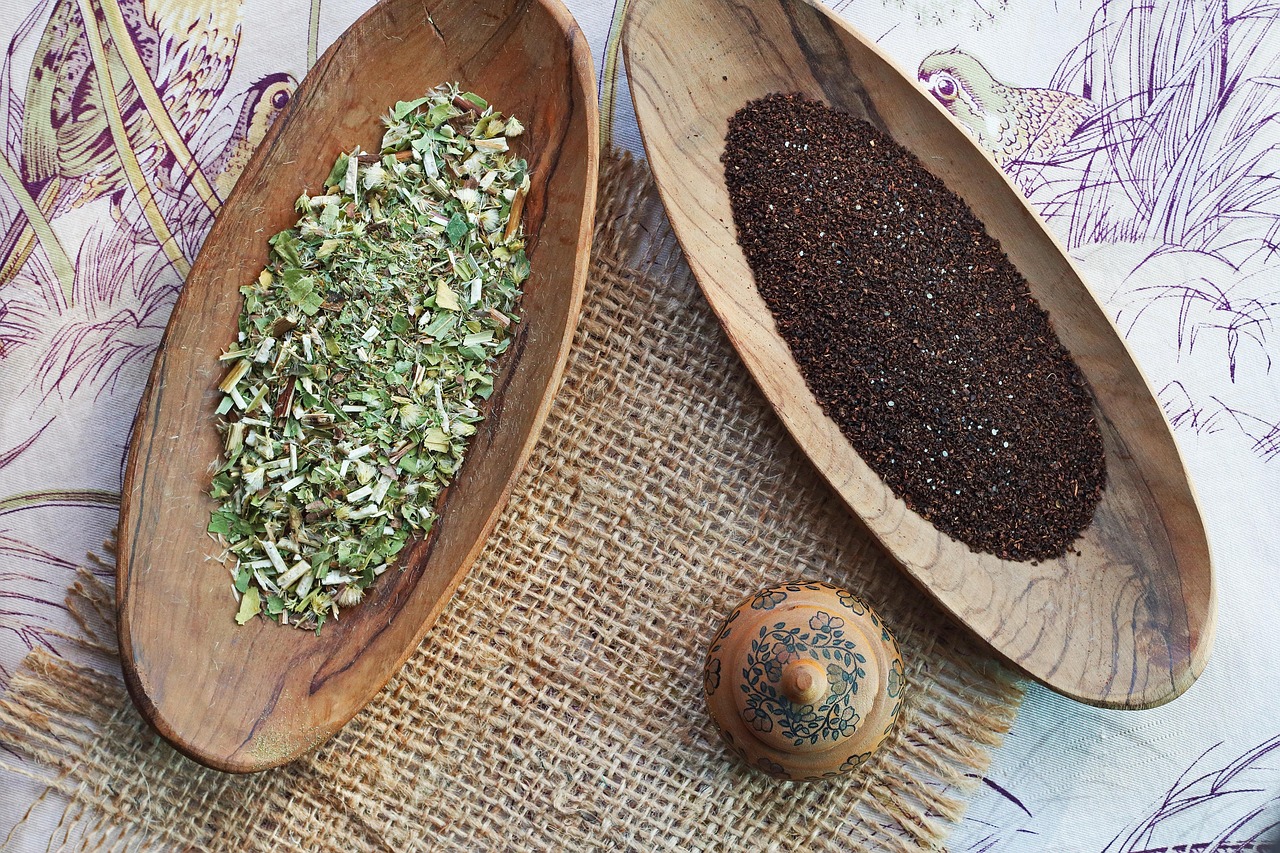
Looking to go beyond just drinking tea? Understanding tea grades offers deeper insight into what gives a cup of tea its personality and character. From light, aromatic Pekoe leaves to bright, robust brews, here’s everything you need to know about navigating Ceylonese tea grades.
Whole Leaf Grades
Whole leaf grades offer the largest, yet most delicate, leaves. Orange Pekoe (OP) leaves produce a mild and bright brew, while OP1 offers something more elegant and aromatic with its twisted leaf style. FBOP leaves are unique, and include tips and buds of the plant for a more balanced flavour.
Broken Leaf Grades
For those looking for something bolder (and quick to brew), broken leaf grade teas might be the best Ceylon tea in Sri Lanka for you. These grades range from medium broken leaves and wiry leaves to fannings (fine particles) and golden tips, resulting in rich aromas and brisk brews.
Speciality Grades
For something a little more unique, look for speciality-grade teas at places like Ceylon Tea Supermarket. These rare teas often undergo meticulous processing, such as the luxurious white tea leaves, brewed from handpicked silver tips that give way to a light and floral flavour.
Elevation Matters, Too
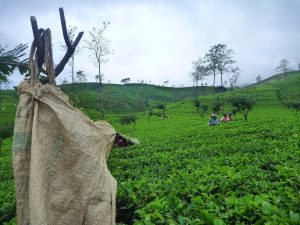
Sri Lanka’s geography is uniquely diverse, from misty hills cascading down mountains to coastal estates just minutes from the ocean. Teas cultivated in high-growing regions, such as Nuwara Eliya, result in light, floral flavours. Mid-region teas are more balanced and full-bodied, while low-grown teas are dark, malty, and much stronger.
