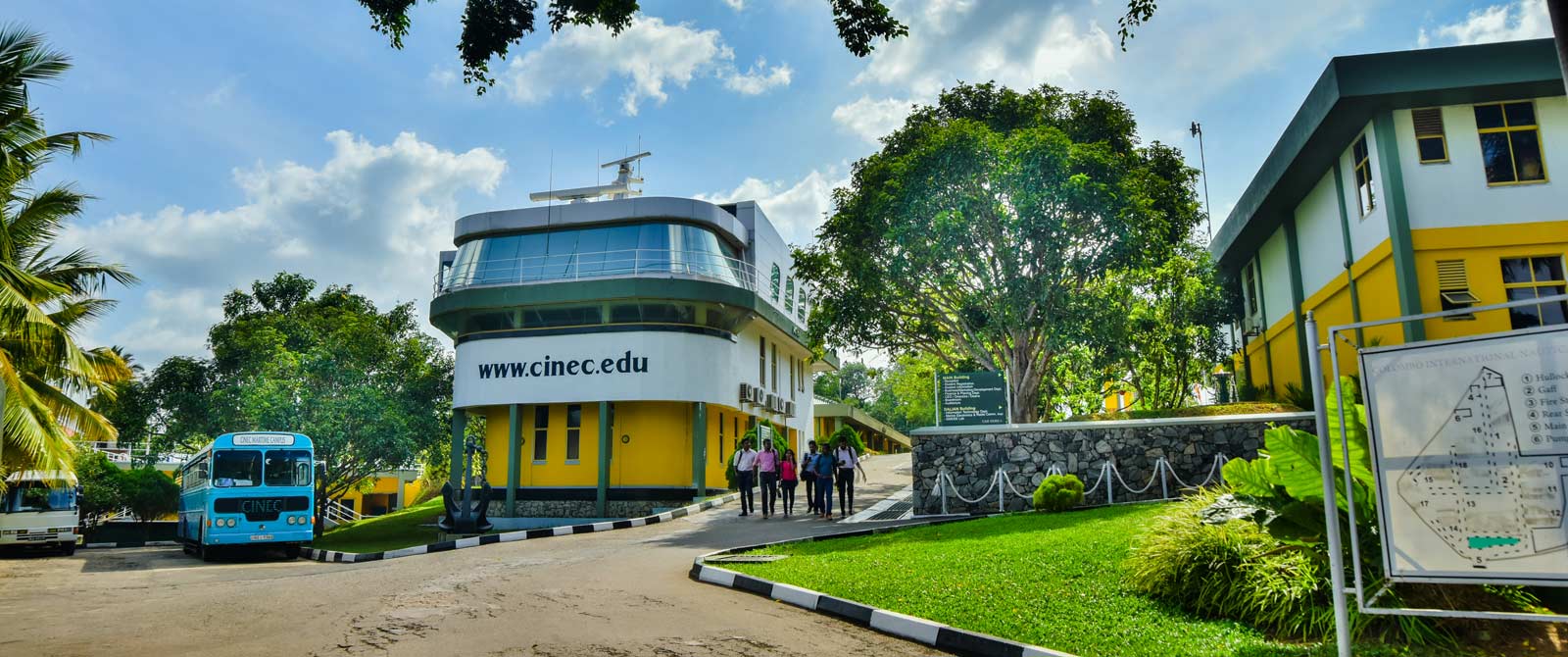
Sri Lanka’s longstanding connection to the sea through trade, navigation, and port activity has shaped its workforce. Recently, structured maritime education has become increasingly important in preparing professionals for both seafaring and shore-based maritime careers.
Sri Lanka’s Strategic Maritime Position
Sri Lanka’s location along major international shipping routes provides significant maritime advantages. This has increased demand for skilled officers, engineers, and logistics professionals with expertise in modern shipping operations. Education is now central to ensuring the workforce meets international standards.
Training that Meets Global Requirements
Modern maritime education in Sri Lanka emphasises compliance with international conventions such as the Standards of Training, Certification and Watchkeeping for Seafarers (STCW). Institutions offering maritime courses in Sri Lanka are increasingly aligned with these standards, ensuring graduates are prepared for certification, onboard duties, and work in multinational environments.
Providing Theory Backed by Practical Experience
Effective maritime training combines classroom instruction, simulator exercises, and hands-on practice. Students learn navigation, engine operations, and safety procedures through realistic scenarios, building confidence before entering the workforce. This approach helps reduce skill gaps during the transition to active service.
Pathways Beyond Life at Sea
Maritime education now prepares graduates for a range of roles beyond seafaring, including port management, marine engineering support, logistics, and regulatory positions. Institutions such as CINEC Campus support these diverse career paths by offering programmes for both sea-going and shore-based roles.
Raising Professional Standards
As training standards rise, Sri Lankan seafarers are building a strong international reputation. Structured education promotes professionalism, safety, and career advancement, helping Sri Lanka remain competitive in the global maritime workforce.
A Growing Focus on Skills and Sustainability
Image by Cinec
As shipping evolves with automation and environmental regulations, maritime education is adapting. Curricula now include skills in sustainability, compliance, and technology, preparing graduates for the industry’s future.
