Driven by an annual 10% increase in STEM enrolment, a rapid growth in private sector participation, and a drastic shift towards digitisation, Sri Lanka’s higher education sector is undergoing a significant transformation. Here’s what you need to know.
1. Modernised Hybrid Learning
Adapting to the changing needs of the intellectual environment, higher education providers in Sri Lanka are integrating technology into their programmes. From innovative multimedia learning tools and personalised virtual platforms to digital resources and interactive learning modules, traditional classroom instruction is reinforced with Artificial Intelligence (AI), Machine Learning (ML), Learning Management Systems (LMS), and collaboration tools that enhance peer-to-peer communication. For example, AI-powered tutoring systems can be tailored to each student’s needs and learning styles while freeing up time for lecturers to create a more engaging learning environment. Additionally, Virtual Reality (VR) and Augmented Reality (AR) play a crucial role in fields such as engineering and medicine by creating realistic simulations of high-stakes scenarios for students to put their skills to the test.
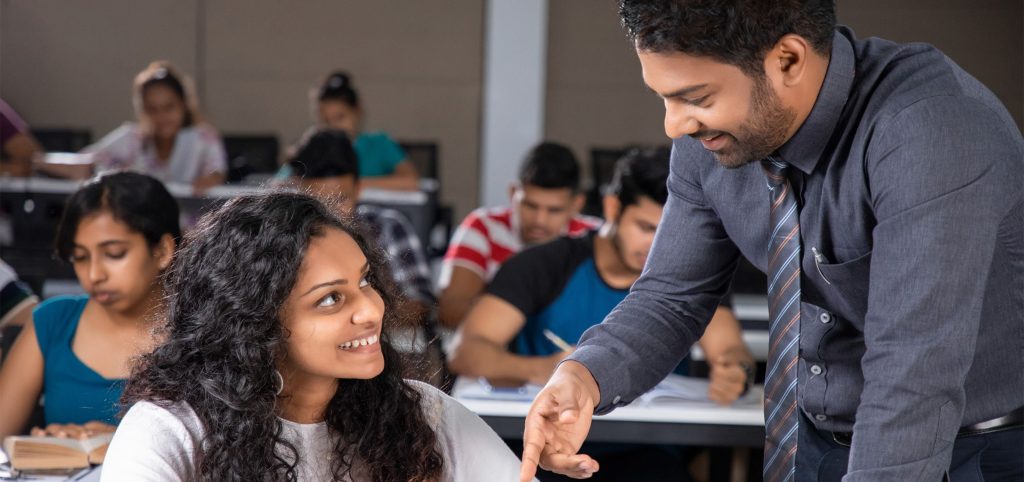
Image via NIBM
2. Leveraging International Collaborations
Along with removing geographical boundaries and bringing immersive experiences from across the world into the classroom through virtual tours and guest speakers, Sri Lankan higher education institutions have partnered with renowned foreign universities. In line with the transitional education (TE) trend, these strategic collaborations enhance local academic standards by modernising local curricula in accordance with global benchmarks. Additionally, these partnerships are enhancing the quality of local education by fostering innovation, improving research capabilities, introducing quality assurance practices, and implementing new-age teaching frameworks. Suppose you’re looking for a reputable higher education institution in Sri Lanka. In that case, NIBM trains future leaders to stay ahead of global trends and address local challenges through the lens of international experts.
3. Honing Industry-Specific Competencies
The growing demand for STEM and industry-linked education has led to curriculum reforms that move away from exam-centric models and towards practical, competency-based skills. This shift to tech-enhanced learning and vocational training has been a response to the growing divide between the technical, vocational, and language skills of the Sri Lankan workforce and the dynamic requirements of technology-driven job markets. The best higher education providers in Sri Lanka strive to bridge these skill gaps through innovative teaching methods and hands-on learning experiences in real-world environments, achieved through industry collaborations.
4. Future-Proofing Careers
While digital literacy and data fluency are crucial for career success, honing soft skills like effective communication, critical thinking, emotional intelligence, and creativity are equally important. They bridge the gap between technology and human connection, while maintaining an innovative streak as automation takes over operations in various industries. For instance, future financial professionals are no longer called to perform repetitive manual tasks, data gathering, and financial modelling, allowing them to focus on high-value strategic and analytical roles. Therefore, the best institutes for higher education develop a well-rounded skillset in their students, enabling them to drive progress and bring fresh perspectives in a digital world.
5. High-Impact Internships
Whether it’s enhancing interdisciplinary communication, creative thinking, and industry-relevant insights or learning how to understand and respond to market changes with data-driven dexterity, internships are an excellent way for future professionals to kickstart their careers. Effective internship programmes offered by higher education institutions provide undergraduates with invaluable industry exposure, networking opportunities with professionals, and hands-on experience that align with their career goals.
